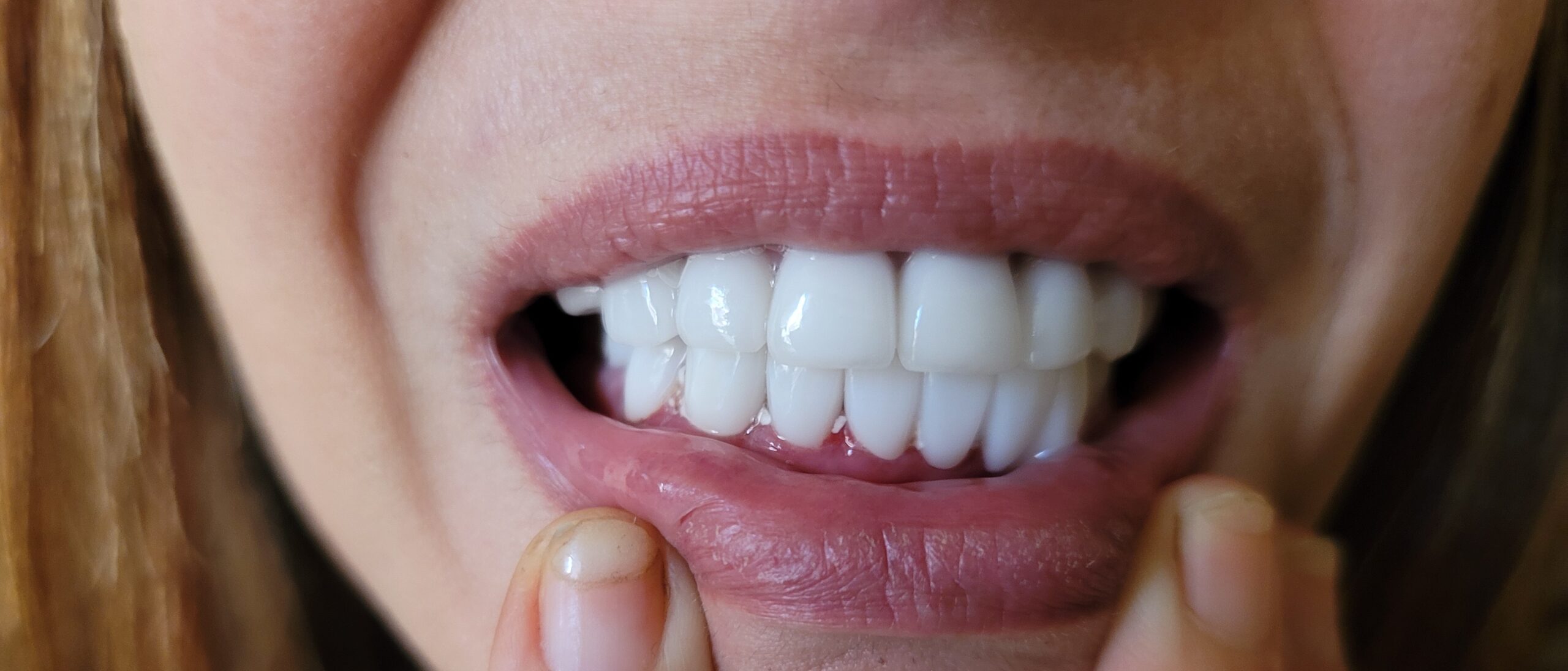
Root Canal Treatment
Everybody has heard the root canal horror stories but at Peter Bishay DMD, the experience is nothing like that. We take special care to make the entire process simple, calm, and comfortable with little to no discomfort.
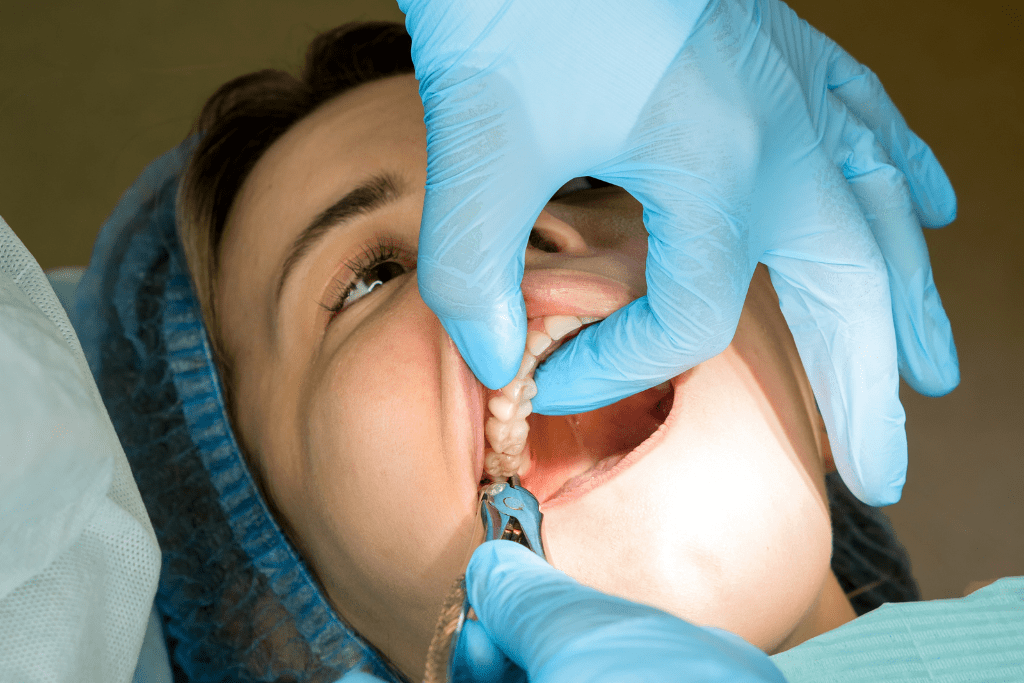
What is a Root Canal?
Root canals are required when the nerve within the root of a tooth becomes infected. Leaving the infection untreated can lead to much more serious health problems so it’s important to act quickly. A canal is created, the infected root is removed, and a porcelain crown is placed leaving you with a tooth that looks and feels completely natural.
Do You Need One?
Deep, constant pain in your tooth or jaw especially pain that worsens when you bite down or apply pressure is a common sign of an infected nerve.
Pain or lingering sensitivity when eating or drinking hot or cold foods that doesn't go away quickly after the source is removed.
Swelling, tenderness, or a pimple-like bump on the gums near a tooth can indicate an abscess a serious infection that requires immediate treatment.
A tooth that has turned dark gray or brown may indicate that the internal pulp has died or become severely infected a sign a root canal may be needed.
A crack or chip that reaches into the root can allow bacteria to infect the pulp even if you're not currently in pain, prompt evaluation is important.
If you've had a filling, crown, or other dental work and pain has persisted longer than expected, the underlying nerve may have been affected.
If you’re experiencing tooth pain, sensitivity, or swelling don’t wait. Call us today and we’ll get you in as soon as possible for a comfortable, stress-free consultation.
Patient Stories
Posted on GoogleTrustindex verifies that the original source of the review is Google. I am thankful for Dr. Bishay. He has shown me so much kindness in helping me with my dental issues that I have been struggling with for many years. He has been patient, understanding, and kind to me every visit that I have had with him. I trust him and very comfortable going to him. I can now smile with confidence, thank you!Posted on GoogleTrustindex verifies that the original source of the review is Google. Dr. Peter Bishay is one of the best dentists I have ever seen in my life. He made five crowns for my teeth, and I am extremely happy with the results. His work is professional, precise, and high quality. I also took my daughter to different surgeons before, and they told me I would have to pay $2,000 or more, with only a 50% chance that her tooth would come out successfully. But when I went to Dr. Bishay at Prime Dental Care, he told me it would only cost $700. He completed the procedure in less than an hour. Now my daughter is doing really well, and her tooth came out within three months without any problems. I truly recommend Dr. Peter Bishay and Prime Dental Care to everyone. He is honest, caring, and very skilled. We are so grateful for his excellent care.Posted on GoogleTrustindex verifies that the original source of the review is Google. Exceptional Dentist – Dr. Peter Bishay Transformed My Smile! ⭐ “Dr. Peter Bishay did amazing work on my teeth. He transformed my smile in such a short time, and the results are beautiful and natural. He is professional, gentle, and explains everything clearly, which made me feel very comfortable. The treatment was fast, painless, and I finally have the smile I always wanted. I highly recommend Dr. Bishay to anyone looking for excellent dental carePosted on GoogleTrustindex verifies that the original source of the review is Google. Dr. Bishay is, without question, the best dentist I’ve ever had—and I say that as someone who used to work in a dental office alongside many dentists. Finding a general dentist today who is not only highly skilled but also willing to perform root canals on your back molars is nearly impossible. Most general dentists immediately refer you to a specialist, who will charge you two to three times more for the exact same procedure. But not Dr. Bishay. He handles all his own dental work, including complex molar root canals, which speaks volumes about his experience, precision, and confidence. One of the things I appreciate most about Dr. Bishay—aside from his impeccable skills—is how much he values your time. Unlike other dental offices that drag out your treatment plan, making you wait 4 to 6 weeks for the actual procedure to begin—causing prolonged pain, frustration, and unnecessary inconvenience—Dr. Bishay operates completely differently. He evaluates your situation, explains your options clearly, answers all your questions, and begins treatment without unnecessary delays. I’ve been a patient of Dr. Bishay for over 15 years, and my opinion of him has never changed. He is extremely knowledgeable, highly skilled, honest, and a straight shooter. It’s also important to mention that his office is equipped with state-of-the-art dental technology, ensuring you receive the highest quality care with the most advanced equipment available. You are truly in excellent hands with Dr. Bishay, and that’s why I highly recommend him to anyone looking for a great dentist who knows exactly what they’re doing. Dr. Bishay genuinely cares about his patients and the long-term health of your teeth. His work speaks for itself, and I wouldn’t trust my dental care to anyone else. Beautiful teeth start with a great dentist—and Dr. Bishay does not disappoint! Thank you for letting me share my experience. Good luck to you, and God bless. Respectfully submitted, M.P.Posted on GoogleTrustindex verifies that the original source of the review is Google. I couldn't be more pleased with the dentist and the work. When I went to the office Dr. Bishay listened to my concerns. After x-rays and an examination he worked with me to create a plan that fit my budget and my mouth. The work done exceeded my expectations. The staff was very accommodating to my schedule and when issues came up. Dr. Bishay was always available by phone or text even in the off hours! I am so grateful!Posted on GoogleTrustindex verifies that the original source of the review is Google. It was a unique experience with Dr. Peter Bishay. I started dealing with him two months ago, especially since he removed my wisdom tooth, which was crooked, in exactly 10 minutes. Although the condition of my tooth was worrying, he completed his task with great success and with very high professionalism. I want to thank him and his assistant Wafaa, who is also doing a great job 🙏🙏🙏 I recommend him as a comprehensive dentist, from cleaning to cosmetic dentistry.Posted on GoogleTrustindex verifies that the original source of the review is Google. I strongly recommend Dr Peter. He is great and working professionally, he is trying as much as possible to help the patients.I am happy with my new crowns.
The Procedure
Dr. Bishay examines the tooth and takes X-rays to assess the extent of the infection and confirm that a root canal is the right treatment. We discuss all your options including sedation preferences.
Local anesthesia is applied to completely numb the area. If you've chosen sedation, this is when you'll be comfortably sedated. You should feel absolutely nothing during the procedure.
A small opening is made in the crown of the tooth. The infected pulp and nerve are carefully removed from the root canals using precision instruments. The area is then thoroughly cleaned and disinfected.
The cleaned canals are filled with a biocompatible rubber-like material called gutta-percha and sealed to prevent future bacterial re-entry.
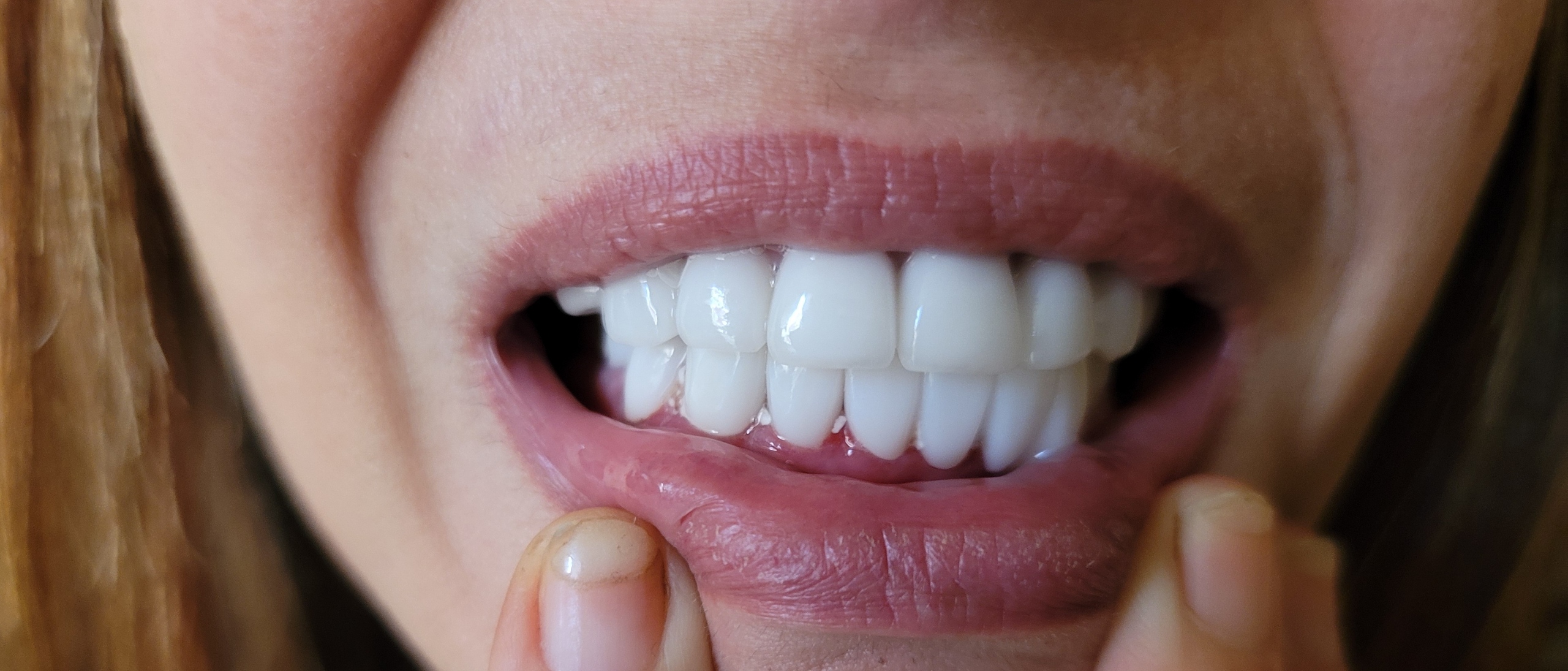
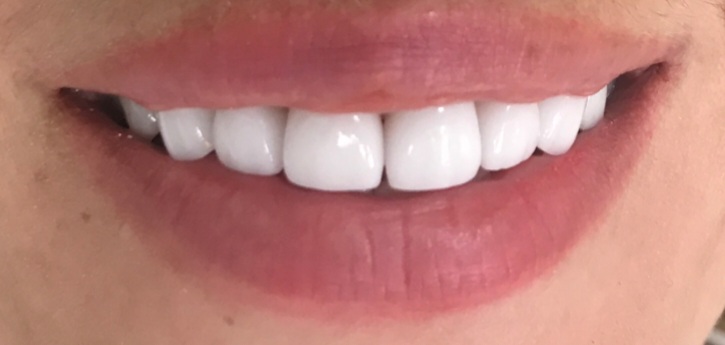
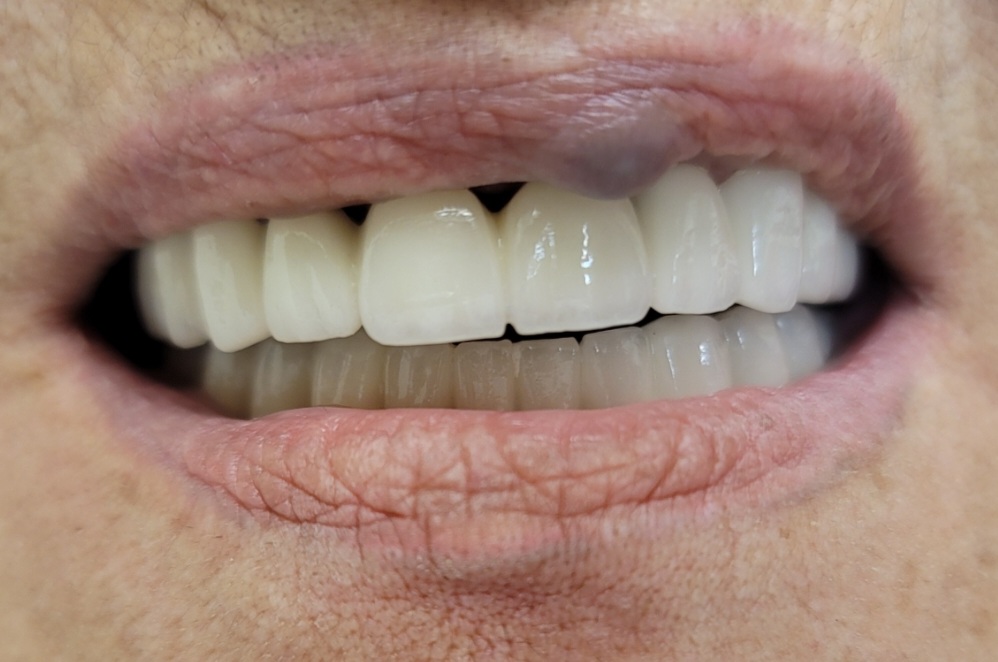
A custom porcelain crown is placed over the treated tooth to restore its full strength, shape, and natural appearance. You leave with a tooth that looks and feels completely natural — and a pain-free life ahead.
Why Get a Root Canal?

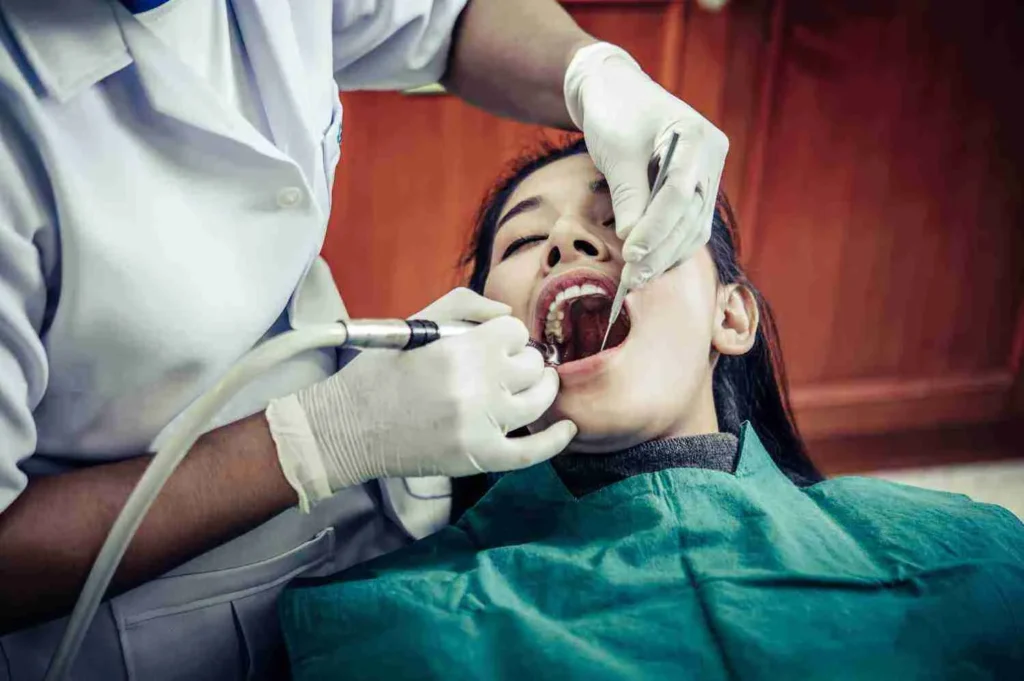
A root canal removes the infected nerve the source of your pain giving you immediate relief and letting you get back to comfortable daily life.
Keeping your natural tooth is almost always the best outcome. A root canal avoids extraction and the need for implants, bridges, or dentures.
An untreated dental infection can spread to the jaw, neck, and beyond becoming a serious health risk. A root canal eliminates it at the source.
The porcelain crown placed after treatment looks and feels identical to your natural tooth nobody will ever know you had a root canal.
A root canal is far more affordable than tooth extraction followed by an implant or bridge and far less disruptive to your long-term oral health.
Most patients return to normal daily activities within 24 to 48 hours. Any mild soreness fades quickly and is easily managed with over-the-counter pain relief.
Got Questions?